Understanding the History of Local Craft Fairs
Local craft fairs have evolved significantly over the years, serving as vital community spaces for artisans and hobbyists to showcase their talents. This article delves into the history and significance of craft fairs in the United States, providing insights into their role in community building and local economies.
The Origins of Craft Fairs
The concept of craft fairs can be traced back to the early colonial days in America, when local artisans would gather to sell their goods. According to historical research, these events were not only market opportunities but also social gatherings where community members exchanged ideas and built relationships. Experts suggest that this blend of commerce and community has remained a hallmark of craft fairs through the years.

The Growth of Craft Fairs in the 20th Century
As the country industrialized in the late 19th and early 20th centuries, the handmade crafts movement began gaining traction. Many users report that the post-World War II era saw a resurgence in interest towards handcrafted goods, leading to a rise in local craft fairs. This transformation was fueled by a desire for unique, quality items as opposed to mass-produced goods.
"Craft fairs represent a unique intersection of creativity and commerce, allowing local artisans to thrive." - National Craft Association
The Role of Craft Fairs Today
Today, craft fairs are vibrant community events that promote local economies. They typically offer a platform for artisans to sell handmade products, including jewelry, textiles, and artisanal foods. Many research studies indicate that supporting local craft fairs can lead to increased economic stability within communities. This is largely because:
- They provide income opportunities for local artisans, fostering entrepreneurship.
- They attract visitors, which can boost local businesses such as restaurants and shops.
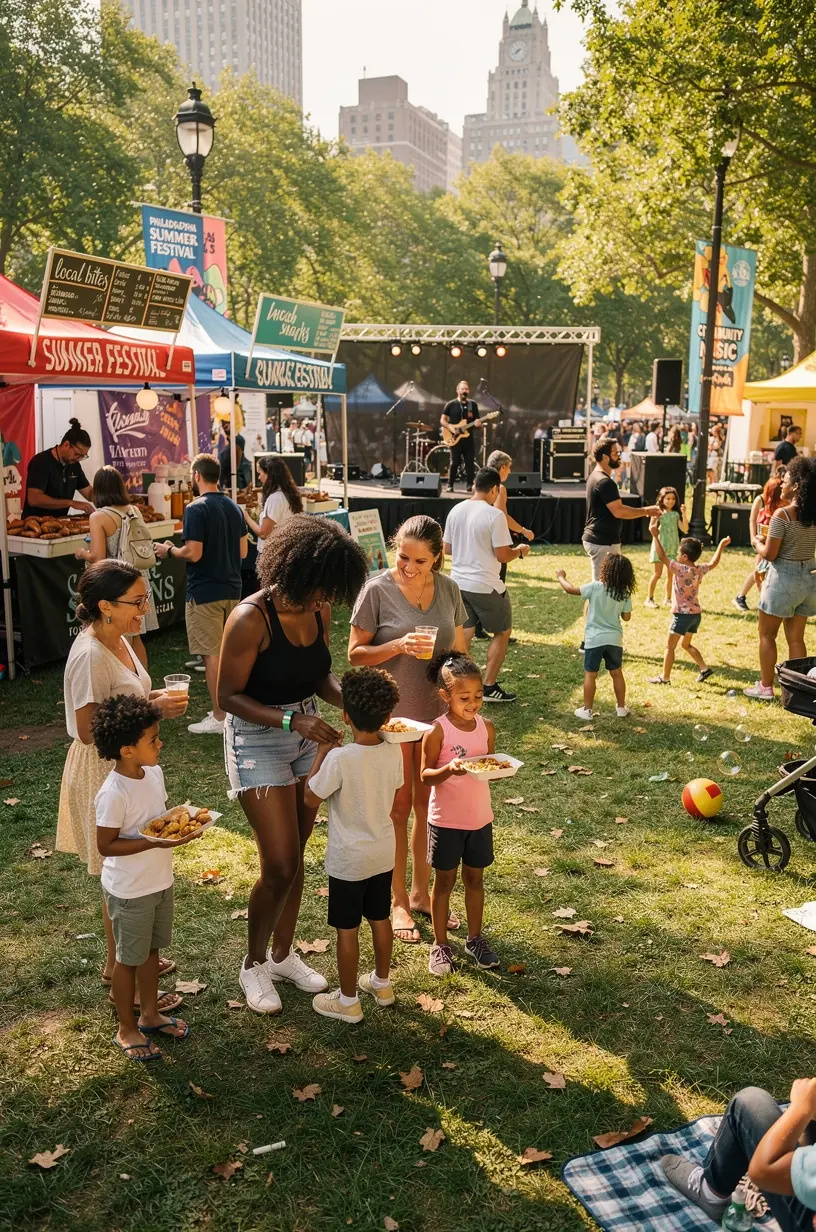
- They promote cultural exchange and community engagement, often featuring local music and performances.
Challenges Facing Craft Fairs
While craft fairs offer many benefits, they also face challenges, such as competition from online marketplaces. Experts recommend that local craft fairs adapt by integrating online promotion strategies to reach a broader audience. Additionally, organizers often need to invest time in marketing and logistics, which can require significant community effort.
Getting Involved in Local Craft Fairs
If you're interested in participating in local craft fairs, here are several steps to consider:
- Research local events: Look for established craft fairs in your area through community boards or social media.
- Understand the requirements: Many craft fairs have specific guidelines regarding product types and vendor fees, so it’s essential to read these carefully.
- Prepare your inventory: Ensure that you have a diverse range of products to appeal to various customers, typically requiring a few weeks to source materials and create items.
Conclusion
Local craft fairs have a rich history and continue to play a significant role in supporting artisans and fostering community connections. While challenges exist, the ongoing evolution of these events indicates their importance in local economies. By getting involved, whether as a vendor or a visitor, you can contribute to and benefit from your community's craft fair culture.
Learn More