Exploring Local Art Festivals and Their Impact
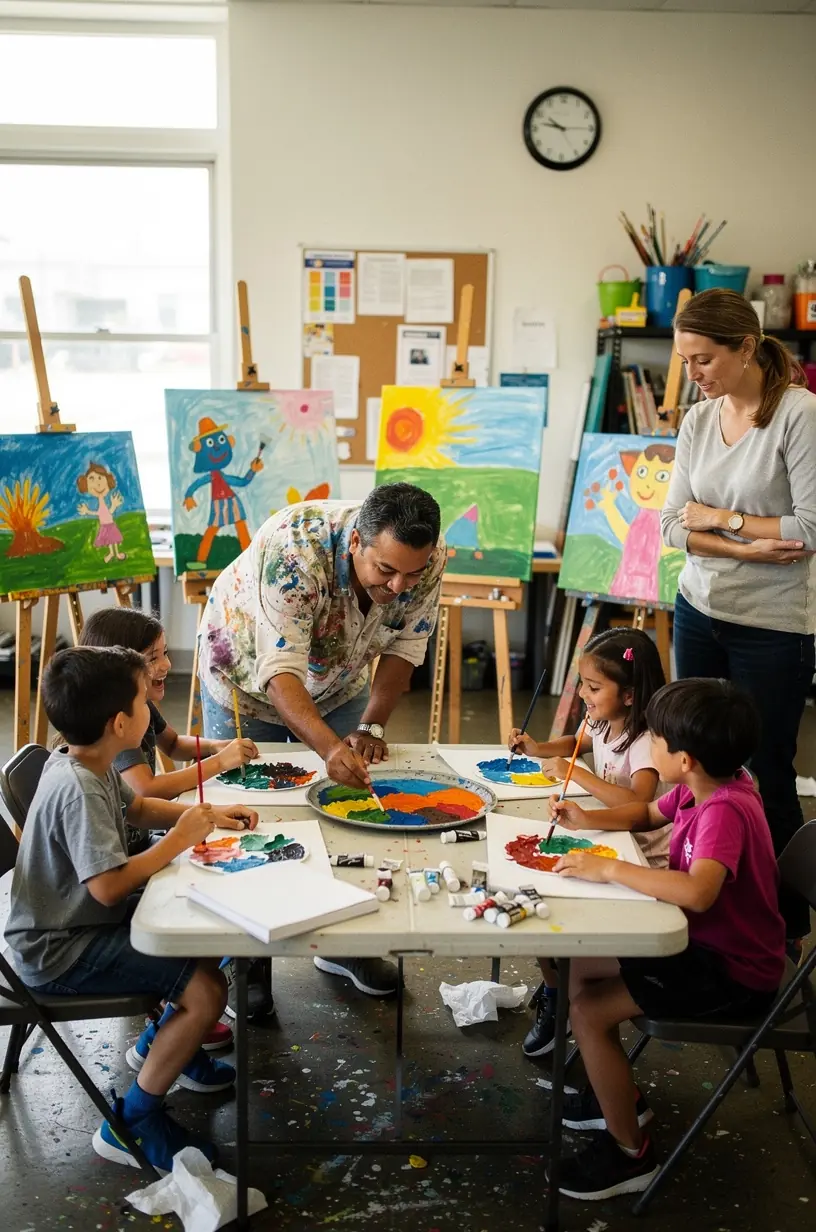
Art festivals have become a staple in many communities across the United States, serving as vibrant platforms for local artists and a source of cultural enrichment for attendees. This article explores the significance of these events, their benefits, and the impact they have on both the community and the artists themselves.
The Role of Art Festivals
Art festivals typically serve as gatherings that showcase the creative talents of local artists. According to research conducted by the National Endowment for the Arts, events like these not only promote the arts but also foster community engagement and economic development.
Community Engagement and Networking
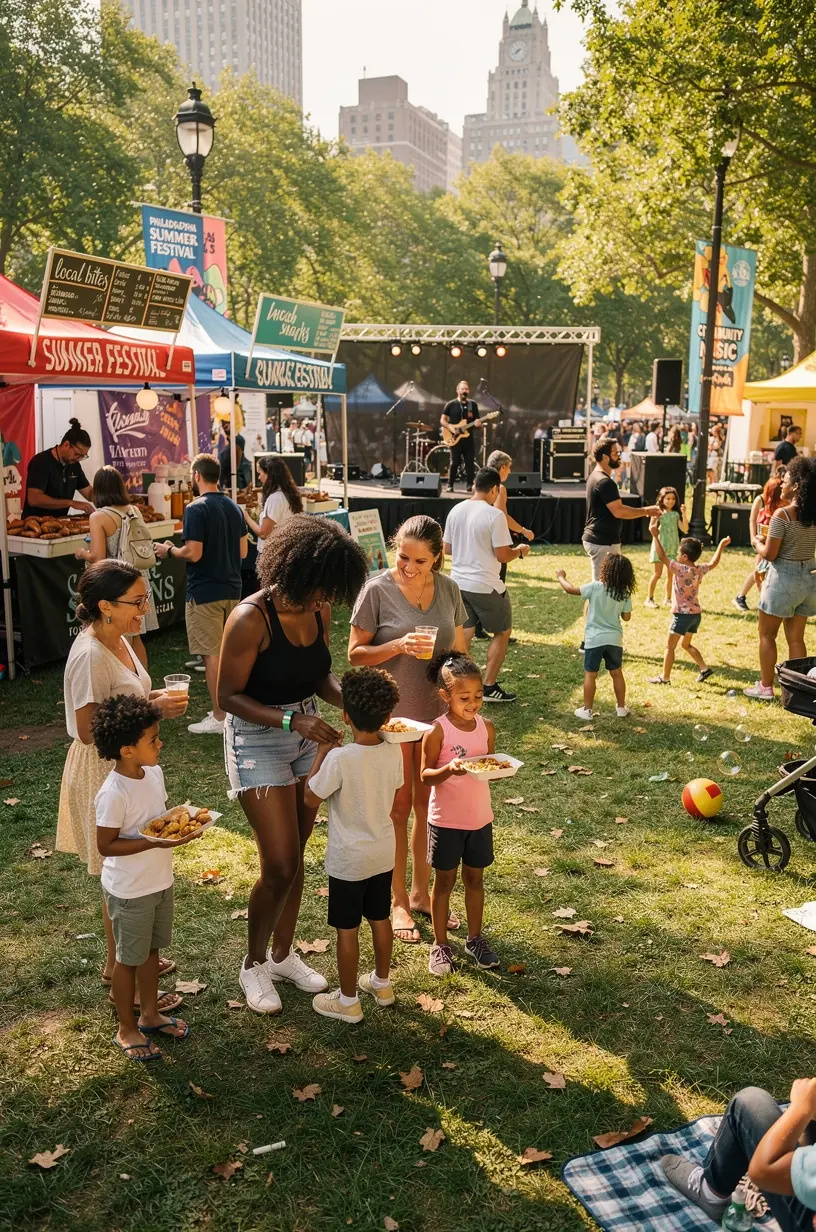
These festivals often create an environment where artists can connect with potential buyers, critics, and fellow creators. Many users report that the networking opportunities available at art festivals can lead to collaborations, mentorships, and even sales. This is crucial for emerging artists looking to build their reputations.
"Art festivals provide a unique space where creativity and community spirit intersect, benefiting both artists and attendees." - Art Market Research Journal
Economic Benefits
Art festivals can have a significant economic impact on local communities. Studies show that they often attract tourism, which can contribute to increased revenue for local businesses such as restaurants, hotels, and shops. For example, a report from the Americans for the Arts indicates that festivals can generate over $100,000 in economic activity in a small town over a single weekend.
Supporting Local Economies
By promoting local artists and creating a lively atmosphere, art festivals can stimulate the local economy. This works because they encourage attendees to spend money within the community, thus creating a cycle of support that benefits everyone involved.
Challenges and Considerations
While the benefits of art festivals are clear, it’s important to acknowledge the challenges involved in organizing such events. Typically, planning an art festival requires considerable time and effort, often taking several months to coordinate logistics, secure funding, and market the event effectively.
- Time Commitment: Organizing a successful festival may involve a planning period of 6-12 months.
- Effort Required: Event organizers need to engage with artists, vendors, and sponsors to create a cohesive experience.
- Community Participation: Festivals often require community involvement and support to thrive, which can sometimes be challenging to secure.
Conclusion
In conclusion, local art festivals play a pivotal role in enriching communities by supporting artists, stimulating local economies, and promoting cultural engagement. While they come with challenges, the benefits often outweigh the drawbacks. For communities considering hosting an art festival, understanding these dynamics can help set realistic expectations and foster a successful event that brings lasting impact.